Modern enterprise infrastructure depends on fast, consistent, and highly reliable storage. As organizations expand their cloud environments, deploy virtualization at scale, and adopt artificial intelligence driven applications, storage performance becomes a central factor in overall system efficiency. Bottlenecks at the storage layer can limit CPU utilization, slow down analytics, and reduce application responsiveness.
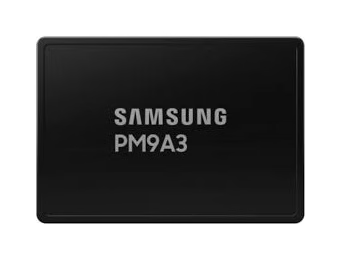
The Samsung PM9A3 SSD is engineered to address these challenges. Built on PCIe Gen4 NVMe architecture, it delivers high throughput, strong random performance, enterprise endurance, and advanced data protection. It is designed specifically for data center and enterprise server deployments that require predictable performance under sustained workloads.
When integrated into properly configured enterprise systems, the PM9A3 becomes a powerful building block for modern infrastructure. Companies such as Saitech build, customize, and integrate enterprise servers using validated components like the Samsung PM9A3 SSD to ensure optimized performance, compatibility, and long term reliability.
This article explores the architecture, performance capabilities, enterprise features, deployment scenarios, and long term value of the Samsung PM9A3 SSD.
The Evolution of Enterprise NVMe Storage
Enterprise workloads have changed significantly over the past decade. Traditional hard drives and even SATA SSDs cannot always meet the demands of real time processing and large scale analytics.
Why NVMe Matters
NVMe connects storage directly through the PCIe interface, reducing latency and increasing bandwidth compared to SATA based drives. This allows faster communication between the CPU and storage media, improving responsiveness and throughput.
Workloads Driving NVMe Adoption
Modern applications that benefit from NVMe storage include:
- Cloud native applications
- Virtual desktop infrastructure
- Distributed databases
- Real time analytics platforms
- AI and machine learning pipelines
- High frequency transaction systems
These workloads require both high throughput and consistent latency under sustained pressure. The Samsung PM9A3 SSD is built to meet these performance expectations.
Architecture and Core Technology
The Samsung PM9A3 SSD combines advanced NAND flash technology with an enterprise optimized controller and firmware stack.
PCIe Gen4 x4 Interface
The PCIe Gen4 interface doubles the bandwidth of PCIe Gen3, enabling significantly higher data transfer speeds. This ensures that storage can keep pace with modern multi core processors and accelerators.
Key benefits include:
- High sequential read and write speeds
- Increased random IOPS capacity
- Reduced latency across workloads
- Efficient parallel processing
Samsung V NAND Technology
Samsung integrates its V NAND flash memory into the PM9A3 platform. This technology offers:
- High density storage
- Improved endurance
- Consistent long term performance
- Better power efficiency
The tight integration between NAND and controller ensures stability across diverse enterprise environments.
Enterprise Optimized Firmware
Firmware plays a crucial role in maintaining consistent Quality of Service. The PM9A3 firmware is tuned for enterprise workloads rather than consumer usage patterns. This allows predictable latency and stable throughput under continuous operation.
Performance Capabilities
Performance is the defining characteristic of enterprise NVMe storage. The Samsung PM9A3 SSD delivers strong results across both sequential and random workloads.
Sequential Throughput
Sequential performance is essential for moving large datasets quickly. Use cases include:
- Backup and restore operations
- Media streaming and content delivery
- Data warehousing
- Large file transfers
- Big data ingestion
The PM9A3 maximizes PCIe Gen4 bandwidth to deliver sustained sequential read and write speeds that accelerate these operations.
Random IOPS Performance
Random IOPS performance is critical for transactional and virtualization workloads.
Applications that benefit include:
- Online transaction processing systems
- Enterprise databases
- Virtual machine clusters
- Cloud hosting environments
High random read and write IOPS translate into faster query responses, improved virtualization density, and better user experience.
Consistent Latency and QoS
Enterprise environments require predictable performance. The PM9A3 maintains stable latency under mixed and sustained workloads, reducing jitter and supporting service level agreements.
This makes it suitable for multi tenant systems where performance variability can negatively impact end users.
Capacity and Scalability
Data growth is constant. Storage infrastructure must scale efficiently without excessive complexity.
Flexible Capacity Options
The Samsung PM9A3 SSD is available in multiple capacities, enabling organizations to:
- Scale incrementally
- Consolidate workloads
- Improve rack density
- Reduce device count
Higher capacity drives can simplify infrastructure while maintaining strong performance headroom.
Infrastructure Simplification
By deploying larger capacity NVMe drives, enterprises can reduce cabling, minimize power distribution complexity, and streamline storage management.
When integrated into customized server configurations, this scalability supports both short term expansion and long term growth strategies.
Power Efficiency and Thermal Optimization
Performance alone is not sufficient in modern data centers. Efficiency and thermal management are equally important.
Performance Per Watt
The Samsung PM9A3 SSD is engineered to deliver strong performance while maintaining energy efficiency. Benefits include:
- Lower operational energy costs
- Reduced cooling requirements
- Improved rack density
- Stable operation under sustained workloads
Thermal Stability
Efficient thermal design helps prevent performance throttling and extends component lifespan. Controlled operating temperatures contribute to overall system reliability.
Enterprise Data Protection and Security
Data integrity and security are essential in enterprise environments.
Data Protection Mechanisms
The Samsung PM9A3 SSD includes:
- End to end data path protection
- Advanced error correction
- Power loss protection
- Firmware integrity safeguards
These features protect data during unexpected power events and guard against corruption.
Security Capabilities
Enterprise security features may include:
- Hardware based encryption
- Secure firmware authentication
- Compliance support for regulated industries
These capabilities are particularly important for finance, healthcare, government, and other compliance driven sectors.
When deployed in enterprise grade servers built and integrated by experienced providers, these protections become part of a broader secure infrastructure strategy.
See also: Challenges of Wearable Technology
Deployment and Integration
Successful enterprise storage deployment depends on compatibility and system level validation.
Broad NVMe Compatibility
The Samsung PM9A3 SSD supports standard NVMe protocols and integrates with PCIe Gen4 capable servers and storage platforms.
This allows organizations to:
- Upgrade existing NVMe environments
- Deploy in new server builds
- Implement hybrid storage architectures
- Maintain compatibility with modern RAID and management tools
Optimized Server Integration
Storage performance is maximized when paired with properly configured server hardware. Saitech builds, customizes, and integrates enterprise servers using validated components such as the Samsung PM9A3 SSD. This ensures alignment between storage, processors, memory, and networking for balanced system performance.
Ideal Enterprise Use Cases
The Samsung PM9A3 SSD is versatile and supports a wide range of enterprise scenarios.
Cloud Infrastructure
Cloud service providers require scalable and consistent storage performance. The PM9A3 supports high virtualization density and predictable latency in multi tenant environments.
Virtualization and VDI
Virtual desktop infrastructure generates unpredictable I/O patterns. Strong random performance and stable latency improve user experience and system responsiveness.
High Performance Databases
Databases rely on both throughput and low latency. The PM9A3 accelerates query execution and transaction processing.
Artificial Intelligence and Analytics
AI workloads involve moving large datasets between storage and compute nodes. High bandwidth NVMe storage reduces bottlenecks and speeds up model training.
Content Delivery and Media
Sequential performance supports streaming, content caching, and media processing pipelines.
Total Cost of Ownership Benefits
Enterprise purchasing decisions must account for long term operational impact.
Key TCO Factors
The Samsung PM9A3 SSD contributes to lower total cost of ownership through:
- High endurance and long lifespan
- Energy efficient operation
- Reduced downtime risk
- Simplified infrastructure scaling
- Strong reliability metrics
Over time, these benefits provide measurable return on investment.
Best Practices for Deployment
To maximize value from the Samsung PM9A3 SSD, organizations should follow proven deployment strategies.
Recommended Practices
- Keep firmware updated using validated tools
- Monitor drive health metrics proactively
- Implement redundancy through RAID or clustering
- Align storage tiers with workload requirements
- Validate compatibility before large scale rollout
Following these practices enhances long term reliability and performance stability.
Future Ready Enterprise Storage
Enterprise workloads will continue to grow in complexity and scale. Investing in PCIe Gen4 NVMe storage like the Samsung PM9A3 SSD prepares infrastructure for:
- Expanding cloud deployments
- Larger virtualization clusters
- Growing data analytics initiatives
- AI driven applications
- Hybrid and multi cloud architectures
Selecting storage that supports future growth reduces the need for frequent hardware refresh cycles.
Conclusion
The Samsung PM9A3 SSD delivers enterprise class NVMe performance for modern data center environments. With PCIe Gen4 bandwidth, strong random IOPS capability, consistent latency, advanced data protection, and scalable capacity options, it provides a balanced and reliable storage solution.
From cloud infrastructure and virtualization to databases and artificial intelligence workloads, the PM9A3 supports demanding applications with stability and efficiency.
When integrated into enterprise servers that are built, customized, and validated for performance, it becomes a strategic asset within a scalable infrastructure plan. For organizations planning storage upgrades or infrastructure expansion, the Samsung PM9A3 SSD offers a dependable, high performance foundation for future ready enterprise environments.
To learn more about configuration options, integration strategies, and deployment guidance tailored to your business needs, contact us today.