Introduction
Custom merchandise has become a powerful tool for branding, marketing, and personal expression. Among all promotional products, keychains stand out for their affordability, practicality, and wide appeal. What once seemed like a complex manufacturing process is now easier than ever. Today, businesses, artists, and online sellers can create high-quality products with minimal effort. The journey of making personalized keychains from design to delivery is now streamlined, efficient, and beginner-friendly.
Step 1: Understanding Your Purpose
Define Your Goal
Before starting the design process, it is important to understand why you are creating keychains. Are they for branding, giveaways, retail sales, or personal gifts? Each purpose influences design choices, materials, and pricing.
Identify Your Target Audience
Knowing your audience helps shape your design direction. A corporate audience may prefer simple and professional designs, while younger audiences may enjoy colorful, trendy, or character-based styles.
Step 2: Creating the Design
Start with a Concept
Every great keychain begins with an idea. This could be a logo, illustration, mascot, quote, or product-inspired shape. The concept should reflect your brand identity or personal style.
Use Design Software
Tools like Adobe Illustrator, Photoshop, or free alternatives like Canva help bring your ideas to life. High-resolution designs are essential for clear printing results.
Keep It Simple and Impactful
Overly complex designs can lose clarity when scaled down to keychain size. Simple, bold, and recognizable designs often perform better in both appearance and marketing impact.
Step 3: Choosing Materials
Acrylic Keychains
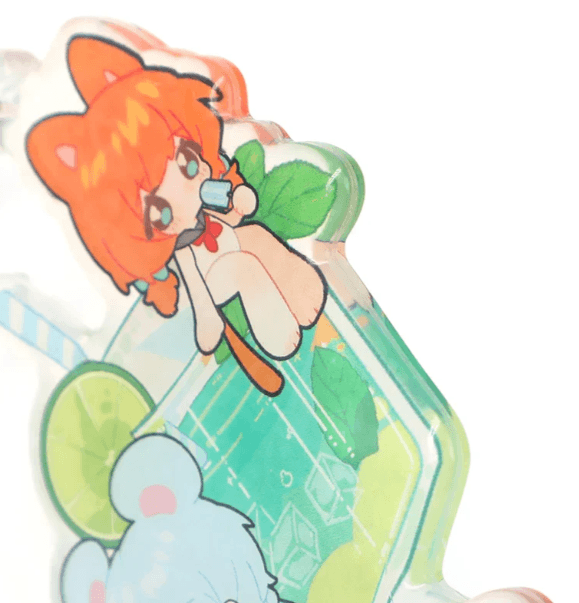
Acrylic is one of the most popular choices due to its affordability and vibrant printing quality. It is ideal for colorful and detailed designs.
Metal Keychains
Metal offers a premium and durable finish, making it suitable for corporate gifts or high-end merchandise.
PVC and Rubber Keychains
These materials are flexible and fun, often used for cartoon-style or playful designs.
Wooden Keychains
Wood provides a natural and eco-friendly look, appealing to sustainability-focused brands.
Step 4: Customization Options
Shape and Size Selection
One of the biggest advantages of custom keychains is shape flexibility. You can create round, square, logo-shaped, or fully custom outlines.
Color and Finish
Color plays a key role in attracting attention. Options like matte, glossy, holographic, or glitter finishes can enhance the final product.
Personalization Features
Adding names, initials, or custom messages increases emotional value. This is where personalized keychains become especially powerful, as they turn simple items into meaningful keepsakes.
Step 5: Prototyping and Approval
Sample Production
Before full production begins, manufacturers usually create a sample. This allows you to check quality, colors, and design accuracy.
Quality Check
It is important to review every detail carefully, including printing clarity, material strength, and finishing quality.
Final Approval
Once the sample meets expectations, production moves forward. This step ensures there are no surprises in the final batch.
Step 6: Mass Production Process
Printing Technology
Modern keychains are produced using UV printing, laser engraving, or digital printing depending on the material and design.
Cutting and Shaping
Machines cut the material into precise shapes based on the approved design.
Assembly Process
Metal rings, chains, or hooks are attached to complete the keychain structure.
Quality Control
Each batch is inspected to ensure consistency and durability before packaging.
Step 7: Packaging and Branding
Standard Packaging
Basic packaging includes individual plastic wrapping or simple pouches to protect the product during shipping.
Premium Packaging
For retail or gift purposes, brands often use custom boxes, branded cards, or eco-friendly packaging to enhance presentation.
Branding Opportunity
Packaging is an extension of your brand. A well-designed package improves customer experience and perceived value.
Step 8: Shipping and Delivery
Efficient Logistics
Once production is complete, keychains are carefully packed and shipped to customers or distribution centers.
Domestic and International Shipping
Many manufacturers now offer global shipping, making it easier for businesses to reach international markets.
Delivery Timeframes
Depending on order size and customization level, production and delivery can take anywhere from a few days to a few weeks.
Step 9: Marketing Your Keychains
Online Store Listings
High-quality product images and detailed descriptions help attract online buyers.
Social Media Promotion
Platforms like Instagram, TikTok, and Pinterest are ideal for showcasing creative keychain designs.
Influencer Marketing
Collaborating with influencers can significantly increase visibility and drive sales.
Step 10: Customer Experience
Unboxing Experience
A well-packaged keychain creates a memorable unboxing experience that encourages repeat purchases.
Customer Feedback
Listening to customer reviews helps improve future designs and build trust.
Repeat Business
Satisfied customers are more likely to order again or recommend your products to others.
See also: Fast Indexing News Content Strategies
Why the Process is Now Simple
Advanced Manufacturing Technology
Modern printing and cutting technology has made keychain production faster and more accurate.
Online Customization Tools
Many suppliers now offer online design tools where customers can upload and preview their designs instantly.
Low Entry Barrier
Even small businesses or individual creators can now easily produce and sell personalized keychains without large investments.
Conclusion
The journey from design to delivery has become simpler than ever, making custom keychains one of the most accessible and profitable merchandise options today. With the right idea, materials, and production partner, anyone can create high-quality products that stand out in the market. Whether for branding, gifting, or retail, personalized keychains offer a seamless process that transforms creative ideas into real-world products. By understanding each step, businesses and creators can confidently bring their designs to life and succeed in the growing custom merchandise industry.