Ask most people what trekking in Nepal looks like and they’ll describe the walk to Everest Base Camp. It’s a fine trek, no argument there. But it’s also busy, and plenty of travelers finish it wondering what the Himalaya is like once you leave the main trail behind. Two good answers are the Everest Three Passes Trek and the Nar Phu Valley Trek. One takes you over three high passes in the Khumbu. The other leads into a restricted valley where daily life still feels far closer to Tibet than to Kathmandu. They’re separate trips in separate regions, and neither one is easy. If you want tougher routes and real contact with mountain culture, both deserve a proper look. Permits, altitude and shifting conditions all need serious planning, and that’s where a reliable trekking company in Nepal really helps, because local knowledge, experienced guides and someone who handles remote-area paperwork make a big difference.
Everest Three Passes Trek: Exploring the High Himalayan Routes Beyond Base Camp
Understanding the Three Passes Route
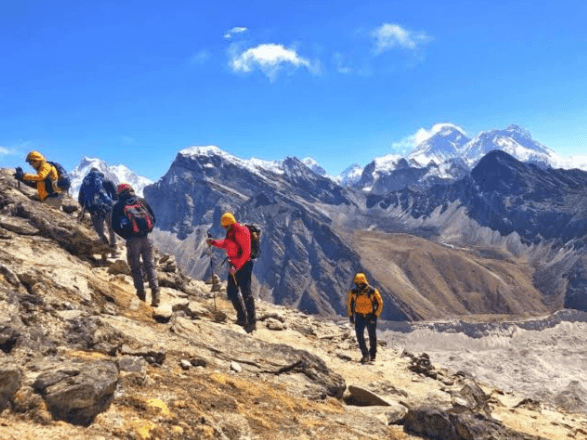
The idea is simple and the execution is not. You cross Kongma La, Cho La and Renjo La, three high passes that link the main valleys of the Everest region. Instead of walking up one valley and back down the same way, you loop through the whole area. Along the way you pass through old Sherpa settlements and then climb into stark, high-altitude country where the villages thin out and the glaciers take over. Compared with the standard Everest Base Camp Trek, it’s longer, steeper in places and far less forgiving if the weather turns.
What Makes This Trek Different?
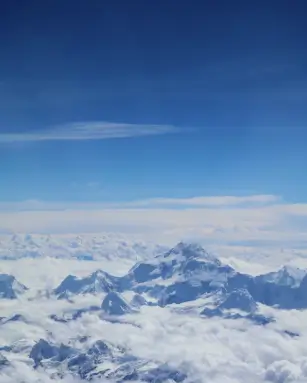
Mostly it’s the walking itself. Pass days are long, cold and often start before sunrise. The reward is the scenery: Everest, Lhotse, Makalu and Cho Oyu show up again and again from different angles, and you get a much better feel for how the peaks connect. Between the passes there are glacial lakes, monasteries and quiet valleys. Acclimatization matters a lot here. Gaining height slowly and building in rest days isn’t optional, and rushing it is the quickest way to ruin the trip.
Important Places Along the Trail
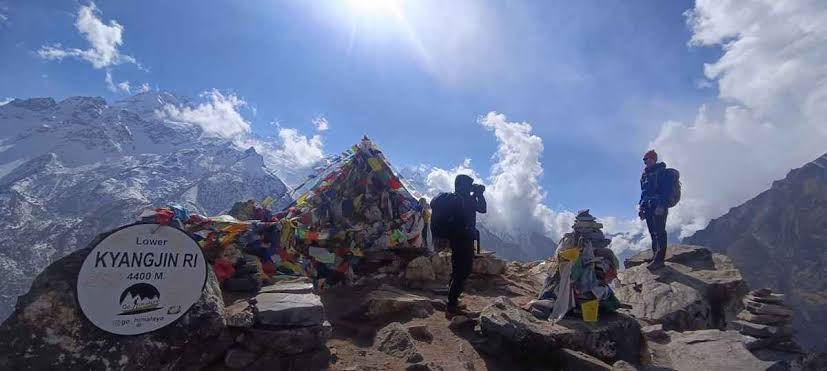
Namche Bazaar is the usual first big stop, a lively Sherpa town built into a hillside, and a good place to let your body adjust. Tengboche Monastery sits in a spectacular setting and gives you a glimpse of the spiritual side of life in the mountains. Further along, the Gokyo Lakes are a highlight, especially if you climb Gokyo Ri for the view. Thame and the smaller settlements nearby feel less visited and more rooted in everyday Sherpa life.
Nar Phu Valley Trek: A Journey Into Nepal’s Hidden Himalayan Culture
Where Is Nar Phu Valley and What Makes It Special?
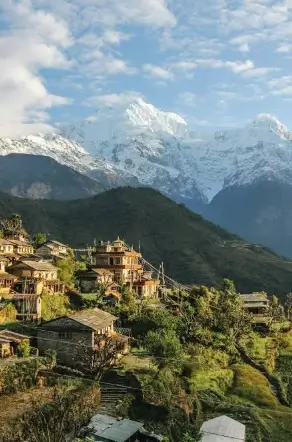
Nar and Phu are two remote villages tucked into the northern part of the Annapurna region, in a valley that sits between the Annapurna and Manaslu mountain areas. For a long time, this part of the country was closed to outsiders, and it remains a restricted area today. That means trekkers need a special permit and cannot simply arrive and start walking independently. The Nar Phu Valley Trek offers a chance to explore this less-visited Himalayan region, where traditional Tibetan-influenced villages, ancient monasteries and quiet mountain trails preserve a way of life that feels quite different from the busier Annapurna routes. The restrictions have helped the valley retain much of its original character, which is a big part of what makes this trek so distinctive.
Traditional Tibetan-Inspired Mountain Life
The villages look and feel like nothing else in the area. Houses are built from stone and stand tightly packed along narrow lanes. Prayer flags flutter over rooftops, mani walls line the paths and Buddhist monasteries sit above the settlements. People here farm what the harsh climate allows and keep livestock, with yaks playing a central role. Tibetan influence shows up in the food, the greetings and the way hospitality works. Expect simple, warm welcomes rather than polished tourism.
What Travelers Can Expect on the Trail
Think remote landscapes and very limited infrastructure. You’ll pass through Koto, Meta, Phu and Nar, and the scenery shifts from forested gorges to wide, dry, windswept terrain. Kang La Pass is the big crossing, and the mountain panoramas from the top are well worth the effort. The route also connects with the Annapurna Circuit, so some trekkers use it as a quieter way into that wider region.
Everest Three Passes Trek vs Nar Phu Valley Trek: Which Himalayan Experience Is Right for You?
Both treks are demanding, so this isn’t about easy versus hard. It’s about what you want out of the trip.
| Travel consideration | Everest Three Passes | Nar Phu Valley |
| Main attraction | High mountain passes | Remote Himalayan culture |
| Cultural experience | Sherpa communities | Tibetan-influenced villages |
| Landscape | Glaciers, peaks and lakes | Isolated valleys and high mountains |
| Trekking challenge | Demanding | Demanding |
| Main highlights | Kongma La, Cho La, Renjo La | Phu, Nar and Kang La |
| Access | Everest region | Restricted Annapurna region |
Experienced trekkers who love big alpine scenery and the challenge of repeated pass crossings will probably lean toward the Three Passes. Travelers more interested in culture, quiet and a sense of remoteness may prefer Nar Phu. And if solitude is the priority, Nar Phu is generally the quieter of the two.
Beyond the Trails: Understanding Nepal’s Hidden Mountain Culture
Sherpa Heritage in the Everest Region
Sherpa culture is closely tied to the mountains. Community values, Buddhist practice and a strong sense of mutual support shape daily life. Monasteries are central, and religious customs still guide the calendar. Trekking tourism has become a major part of the local economy, which has brought opportunities as well as pressures that communities continue to work through.
Tibetan Heritage in Nar and Phu
In Nar and Phu the Tibetan influence is more obvious. You see it in the stone architecture, the Buddhist traditions and the rhythm of village life. Farming and yak herding are still the backbone of the local way of living, and food reflects what grows and survives at that altitude. Compared with the Everest region, life here feels less shaped by tourism and more by the seasons.
Responsible Cultural Travel
A few habits go a long way. Respect local customs and religious sites, and walk around mani walls and stupas the way locals do. Ask before photographing people. Stay in locally owned lodges and use local services when you can. And remember these are living communities, not attractions put on for visitors.
Best Time to Trek: Weather, Mountain Conditions and Seasonal Differences
Spring: March to May
Spring brings warmer daytime temperatures and good mountain visibility, though trail conditions can still vary from week to week.
Autumn: September to November
Autumn is generally the favorite window, with stable conditions and clear views of the peaks.
Winter and Monsoon Considerations
Winter snow can make pass crossings difficult and sometimes impossible. During the monsoon, rain, landslides and poor visibility are real issues. Seasonal conditions matter even more on high passes and in restricted valleys, where there’s less room for error and fewer alternatives if things go wrong.
See also: Creative Ways to Advertise Your Business in 2026
Permits, Guides and Practical Planning for Both Treks
Required Trekking Permits
For the Everest region you’ll need entry into Sagarmatha National Park. Nar Phu Valley requires a restricted-area permit, and the Annapurna Conservation Area requirements apply where the route enters it. Rules and fees change, so double-check current permit requirements and documentation well before departure rather than relying on older articles.
Why Local Guides and Trekking Companies Matter
On these routes a guide is far more than a navigator. They read changing mountain conditions, watch for altitude problems and plan acclimatization. A good company also takes care of lodge bookings, transportation and permit coordination. For remote and challenging treks, choosing a registered and experienced Trekking Company In Nepal is one of the most important decisions you’ll make.
Trekking Packages, Costs and What Travelers Should Check Before Booking
Everest Three Passes Trek Packages
Packages usually cover a guided itinerary, accommodation and meals, domestic transportation and airport transfers, guide and porter services, and permits. Ask for a clear list of what’s included, because inclusions vary from one operator to another.
Nar Phu Valley Trek Packages
Here, pay attention to how the restricted-area permit is arranged and what the current rules say about minimum group size. Check guide services and local logistics too, along with accommodation, meals and transportation. If you plan to cross Kang La or link up with the Annapurna Circuit, ask about those extra arrangements up front.
What Determines the Overall Trekking Cost?
Several things move the price: group size, trek duration, season, accommodation standards, guide services and transportation. Smaller groups and higher comfort levels generally cost more per person, and longer itineraries add up. Compare like with like before deciding which quote is the better deal.
How to Choose the Right Trekking Partner in Nepal
Start with registration and track record. Ask about guide qualifications and emergency arrangements, and get the inclusions and exclusions in writing. See how permits and accommodation are handled, and ask about acclimatization days and backup plans for bad weather. Adventure Great Himalaya is one company offering trekking arrangements in Nepal, connecting travelers with Himalayan routes, local cultural experiences and practical trekking support.
Final Thoughts: Discovering a Different Side of the Nepal Himalayas
The Everest Three Passes Trek and the Nar Phu Valley Trek offer two very different sides of the Himalaya, one built around high passes and big peaks, the other around remote villages and Tibetan-influenced life. Nepal’s mountain identity goes well beyond its famous viewpoints. Whichever you choose, travel respectfully, learn about the people who live there and prepare properly for the altitude.