Sooner or later, almost everyone planning a Nepal trip lands on the same question. You’ve got a limited number of days, you want real mountains, and you’re stuck between the Mardi Himal Trek and the Langtang Valley Trek. Fair enough. Both take you through forest, past small villages, and up to views that make the effort feel worth it. Neither is as crowded or as demanding as the headline routes around Everest or the Annapurna Circuit.
On the ground, though, they feel quite different. One is a steep ridge walk that starts near Pokhara. The other is a long, gradual valley climb north of Kathmandu, finishing among glaciers and Tamang settlements. This guide goes through the practical stuff, like season, days needed, altitude, lodges, costs and atmosphere, so you can choose without second-guessing yourself.
Mardi Himal Trek vs Langtang Valley Trek: Understanding the Main Differences
Location, Starting Points, and Accessibility
The Mardi Himal Trek sits in the Annapurna region, and Pokhara is the base for nearly everyone. The trailhead is a short road trip from town, usually around an hour or so by taxi or local transport depending on where you begin. That makes it easy. You can fly or take a bus from Kathmandu to Pokhara, rest at night, and walk the next morning.
Langtang is a different story. The valley lies north of Kathmandu inside Langtang National Park, close to the Tibetan border. You reach the trailhead at Syabrubesi by road, and that drive takes most of a day on bumpy, winding roads. Don’t plan anything ambitious for the same evening. The upside is that you never leave the Kathmandu side of the country, so there are no domestic flights involved.
Landscape and Overall Trekking Character
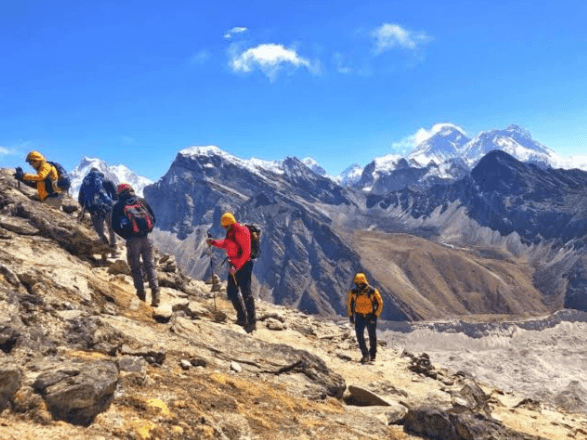
Mardi Himal is mostly about the climb. You walk through thick forest, then break out onto an open ridge with big views of Machhapuchhre (the fishtail peak) and Annapurna South. It feels exposed and airy, and the scenery changes fast.
Langtang works more slowly. You follow a river upstream through forest, then into wider alpine country with yak pastures, stone-walled villages, and glaciated peaks closing in around you. It feels more like a journey into a valley than a push to a viewpoint. If you like dramatic ridgelines and compact trips, Mardi Himal will probably suit you. If you’d rather settle into a long, steady walk with a lot of local life along the way, Langtang is the better bet.
Which Trek Has the Better Season? Weather, Visibility, and Trail Conditions
Spring Season (March to May)
Spring is lovely on Mardi Himal, mainly because the rhododendron forests flower on the lower slopes and the trail gets splashes of red and pink. In Langtang, conditions improve steadily as winter snow melts and skies often turn clear in the mornings. Expect warmer days than winter, but cold nights up high. Clouds tend to build by afternoon, so early starts matter if you want the views.
Autumn Season (September to November)
Autumn is the most popular window for both treks, and it’s easy to see why. The monsoon has washed the air clean, visibility is usually excellent, and the weather is generally steadier. Trails can still be slippery or damaged in places right after the rains, particularly early in the season, so it pays to ask locally about the current state of the path. Expect more trekkers too, though neither route feels packed the way some bigger trails do.
Winter and Monsoon Trekking Considerations
Winter brings cold, short days, and snow on the upper sections of both routes. Higher camps get very chilly, and snow can make progress slow or sometimes impossible. The monsoon (roughly June to August) brings rain, muddy paths, leeches at lower elevations, and heavy cloud that hides the mountains. Landslides can also interrupt roads and trails, which matters most for the long drive to Syabrubesi. Whatever the month, check recent conditions with your lodge, guide or a local trekking office before you leave.
Mardi Himal vs Langtang Valley Itinerary: How Many Days Do You Need?
Typical Mardi Himal Trek Itinerary
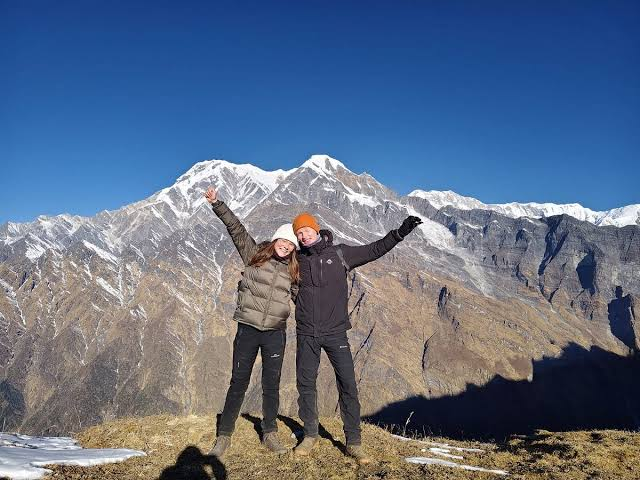
Most people begin at Kande or a nearby trailhead and climb through Forest Camp, then Low Camp, then High Camp. From High Camp, the walk up to the Mardi Himal viewpoint is done early in the morning, then you head back down. Depending on your route and pace, the trek takes about four to six days. The return to Pokhara is quick and easy, which is a big part of the route’s appeal.
Typical Langtang Valley Trek Itinerary
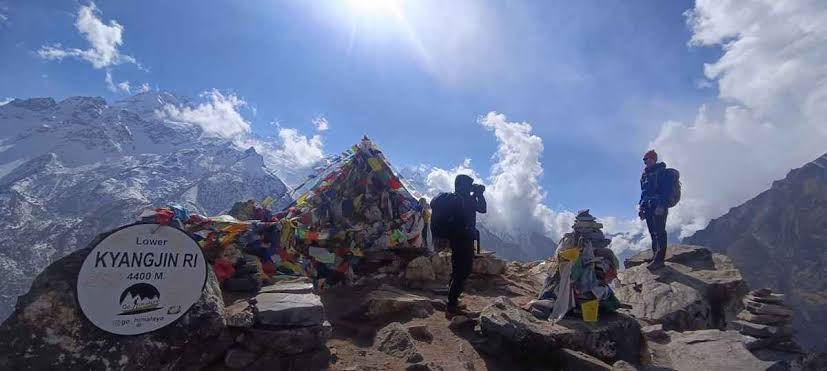
You start with the road journey from Kathmandu to Syabrubesi. From there the trail runs to Lama Hotel, onward to Langtang Village, and finally up to Kyanjin Gompa. Many trekkers spend an extra day around Kyanjin to explore, with optional climbs up Kyanjin Ri or Tserko Ri if fitness and conditions allow. Plan roughly seven to nine days in total, and leave some wiggle room.
Which Itinerary Is Easier to Fit into a Nepal Holiday?
If your time is tight, Mardi Himal wins comfortably. It’s shorter, the access is simpler, and a small delay doesn’t wreck your plans. Langtang asks for more days, a long drive each way, and a few spare days in case of weather or road problems. It’s very doable, just not the right choice if you only have a week and want to see other places too.
Altitude, Trekking Difficulty, and Acclimatisation Compared
Mardi Himal Trek Altitude and Physical Demands
The climb from the lower forest to High Camp is steady but steep, and you gain height quickly. The viewpoint sits at roughly 4,200 metres, though exact figures vary depending on the route and where people count the final point. Stairs, narrow ridges and fast-changing weather add to the challenge. It’s short, but it isn’t a stroll.
Langtang Valley Trek Altitude and Physical Demands
Langtang climbs more gradually toward Kyanjin Gompa, at about 3,870 metres. The walking days can be long, though, and the extra optional hikes to Kyanjin Ri and Tserko Ri take you much higher, with Tserko Ri close to 5,000 metres. That’s where acclimatisation really counts, so don’t rush into those climbs.
Which Trek Is More Suitable for Beginners?
Both are manageable for reasonably fit first-timers, but neither is risk-free. Mardi Himal is shorter and lower overall, while Langtang gives your body more time to adjust but demands more days on your feet. Walk slowly, drink plenty of water, and know the signs of altitude sickness: persistent headache, nausea, unusual tiredness, poor sleep. If symptoms get worse, go down. Don’t wait it out.
Accommodation, Food, and Facilities Along Both Trekking Routes
Teahouses and Lodges on Mardi Himal
Expect simple mountain lodges. Rooms are basic, bathrooms are often shared, and blankets are provided but can feel thin at night. Services get more limited the higher you go, especially at High Camp. Food is typically dal bhat, noodles, soups and eggs, and menus shrink up high. Bring your own essentials like a warm layer, sleeping liner, snacks and a power bank.
Accommodation in Langtang Valley
Teahouses are spread through Lama Hotel, Langtang Village and Kyanjin Gompa. The lower settlements usually have a bit more choice, while Kyanjin is the busiest hub with the most options. Traditional meals are widely available, and many lodges offer paid charging, hot showers and sometimes weak internet, all for extra fees and subject to weather and electricity.
Which Route Offers More Comfortable Accommodation?
Langtang tends to feel a little more settled thanks to the longer village stretches, but that depends heavily on the lodge and the season. Mardi Himal lodges are more basic near the top. On either trail, carry enough cash, since cards and ATMs aren’t an option once you leave town.
Trekking Costs, Transportation, Permits, and Guide Requirements
Mardi Himal Trek Budget Considerations
Your main costs are transport from Kathmandu to Pokhara, a short ride to the trailhead, lodging, meals, and any guide or porter. You’ll also need the permits for the Annapurna region. Requirements and fees have changed in recent years, so confirm the current setup with a registered agency or the official offices before you go.
Langtang Valley Trek Budget Considerations
Here the biggest transport item is the Kathmandu to Syabrubesi trip, whether by public bus or private vehicle. Add lodging, food, and guide or porter services. Entry to Langtang National Park needs a permit, and other documents may apply, so check what’s currently required.
What Should Travelers Include in Their Trekking Budget?
Think beyond the obvious. Count daily meals and lodging, transport both ways, permits, and whatever help you hire. Then add travel insurance that covers trekking at altitude, plus a cushion for surprises like an extra night, a delayed road or a gear fix. Costs swing with group size, season and the service level you want, so ask for a clear written breakdown before you commit.
Mountain Views, Local Culture, and the Overall Trekking Experience
What Makes Mardi Himal Special?
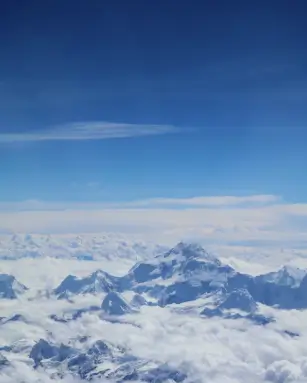
It’s the closeness. Machhapuchhre looks almost within reach, Annapurna South stands massive nearby, and the ridge walk gives you sweeping views on both sides. Reaching the viewpoint at sunrise, with the whole range lit up, is the moment most people remember.
What Makes Langtang Valley Different?
Langtang has more heart in its villages. Tamang communities with Himalayan Buddhist traditions shape daily life here, and you’ll pass prayer walls, monasteries and small family-run lodges. Langtang Village was devastated by the 2015 earthquake and has since been rebuilt, which gives the walk a quiet weight. Kyanjin Gompa, surrounded by glaciers and peaks, is a fitting finish.
Which Trek Offers a More Varied Cultural Experience?
Langtang does, without much contest. Mardi Himal is more mountain-focused, with fewer village encounters once you’re above the lower trail. Wherever you go, greet people politely, ask before taking photos, walk clockwise around prayer walls and stupas, and dress modestly in villages.
Mardi Himal or Langtang Valley: Which Trek Should You Choose?
Pick the Mardi Himal Trek if you’re short on time and want a quick, rewarding climb with close-up mountain views. Pick the Langtang Valley Trek if you’ve got more days and care as much about villages and culture as peaks. Your fitness, comfort with altitude and tolerance for long road travel should tip the balance. For planning help, a resource like The Himalayan Odyssey can be useful when you’re lining up routes and logistics.
Frequently Asked Questions About Mardi Himal and Langtang Valley
Is Mardi Himal easier than Langtang Valley?
Not always. Mardi Himal is shorter but steeper, while Langtang is longer with a gentler gradient. Most people find Mardi Himal quicker to complete and Langtang more tiring over time.
Can beginners do both Mardi Himal and Langtang Valley?
Yes, if they prepare. Do some regular hiking beforehand, walk at an easy pace, and allow time to adjust to height.
Which trek is better for mountain views?
Mardi Himal gives dramatic ridgeline views of Machhapuchhre and Annapurna South. Langtang offers a wider valley and glacier panorama.
Which trek is better for a one-week Nepal holiday?
Mardi Himal fits more easily, thanks to fewer trekking days and a simple return to Pokhara. Langtang needs more time and a long drive each way.
Do I need a guide for these treks?
Rules have shifted in recent years, so check what’s currently required. Even if it’s optional, a local guide adds safety, route knowledge and helpful context, especially in poor weather.