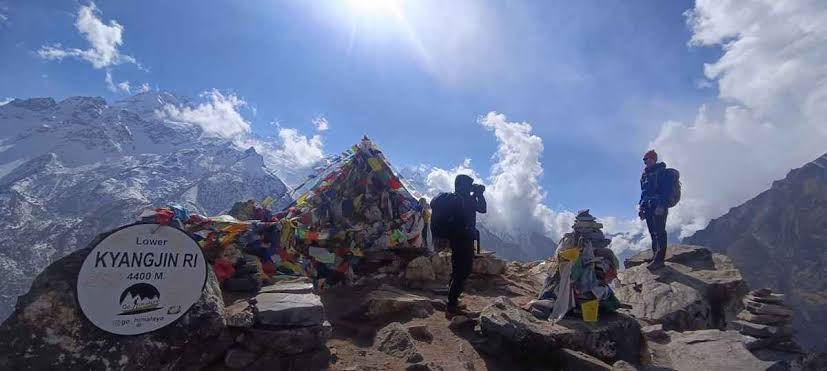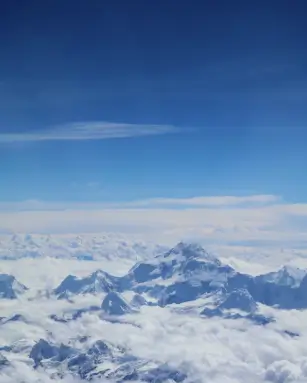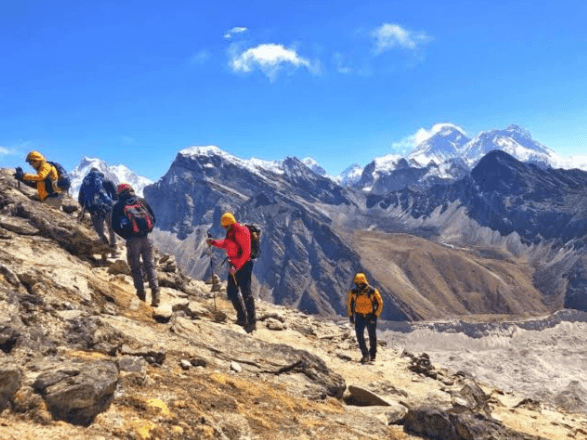
The Everest Region Beyond Its Famous Destination
Everest gets all the attention, and honestly, it deserves some of it. But spend a few days in the Khumbu region and you start to notice that the mountain is only part of the story. The rest live in stone-walled Sherpa villages, in monasteries where butter lamps flicker through the early morning, in yak trails that double as the local high street.
Most people plan a trip around a summit view or a base camp photo. What they remember afterwards is usually smaller. A teahouse conversation, the creak of a prayer wheel, a kid doing homework by a window with Ama Dablam standing right behind him.
This guide looks at the region through that wider lens. It also walks through three ways to experience it: the Everest Base Camp Trek, the Short Everest Base Camp Trek and the Everest View Trek. Each suits a different traveller, and each passes through places that deserve more than a quick photo stop.
Understanding the Geography and Character of the Everest Region
Khumbu sits in northeastern Nepal, up against the border with Tibet. It’s a landscape of steep valleys, fast glacial rivers and forested hillsides that give way to bare rock and ice as you climb. The Dudh Koshi cuts through the middle of it, and most trekking routes follow its course for a good while.
Much of the area falls inside Sagarmatha National Park, a UNESCO World Heritage Site. The park protects not just the peaks but the forests and wildlife living below them.
Altitude shapes almost everything here. Lower villages have fields and wooded paths. Higher up, the terrain opens out, the air thins, and daily life gets harder. Even your trek changes character. One day you’re walking under pines, the next you’re crossing rocky moraine with nothing green in sight.
Namche Bazaar: The Sherpa Town at the Heart of Khumbu
Namche Bazaar is built into a hillside like a natural amphitheatre, and it’s the busiest place you’ll pass through in the region. Trading has gone on here for generations. Today the same lanes hold gear shops, bakeries, lodges and cafés where you can drink coffee while staring at snow peaks. There’s also a weekly Saturday market that draws people down from surrounding villages.
Most trekkers spend two nights here, and it’s not because there’s nothing better to do. Namche is the first real altitude test, and a rest day lets your body catch up before the climb continues. Don’t treat it as a lazy day, though. A short walk up toward the viewpoints above town, then back down to sleep lower, is the classic way to acclimatise. Everest View Hotel, near Syangboche, is a popular target for exactly this kind of outing.
Tourism has clearly changed Namche. Many families now run lodges, shops or guiding businesses, and the town’s economy leans heavily on visitors. It’s worth noticing who owns what, and buying from locals when you can.
Tengboche Monastery: Buddhist Traditions Beneath the Himalayas
Tengboche is one of the most important Buddhist monasteries in the Everest region, and the setting makes it hard to forget. It sits on a forested ridge with Ama Dablam rising ahead, looking almost too neat to be real.
Tibetan Buddhism runs through daily life here. You’ll see prayer flags strung across ridgelines, long mani walls carved with mantras, and monks gathering for ceremonies that have been part of Sherpa communities for generations. If your timing works out, sitting quietly at the back during prayers is a memorable way to spend an hour.
A few simple manners go a long way. Take off your shoes before entering, keep your voice low, ask before photographing anyone, and always walk clockwise around mani walls and stupas. It’s their place of worship first, and your photo opportunity a distant second.
Khumjung and Khunde: Discovering Traditional Sherpa Village Life
Most trekkers head straight up the main trail and miss Khumjung and Khunde entirely, which is a shame. These two neighbouring villages sit above Namche, and they feel noticeably calmer. You’ll find stone houses with low walls, potato and barley terraces, small schools and a monastery tucked among the buildings.
What stands out is the rhythm. People are going about their day, not performing for visitors. Sherpa hospitality is real here, and a cup of tea in a lodge kitchen can easily turn into an hour of conversation.
If you’re curious about local culture, build in time for a slow village walk. Even a half-day detour from Namche gives you a different picture of the region than the main trail does.
Everest Base Camp Trek: Following the Traditional Route Through Khumbu
The classic Everest Base Camp Trek starts with a flight to Lukla, then follows a well-worn line through Phakding, Namche Bazaar, Tengboche, Dingboche, Lobuche and Gorakshep. Along the way, the scenery shifts constantly. Green valleys turn into alpine terrain, then glacier-carved landscapes where the air feels thin and sharp.
Everest Base Camp itself sits at 5,364 metres. Many trekkers also climb Kala Patthar, at roughly 5,545 metres, for a clearer view of Everest than base camp offers. Both days are tough, and neither is a casual stroll.
That’s why the standard itinerary builds in acclimatisation days. Gradual gains, steady fitness work beforehand and enough time on the trail make a real difference. This route suits travellers who want a proper, extended Himalayan walk and are happy to give it the days it needs.
Short Everest Base Camp Trek: A More Time-Efficient Himalayan Journey
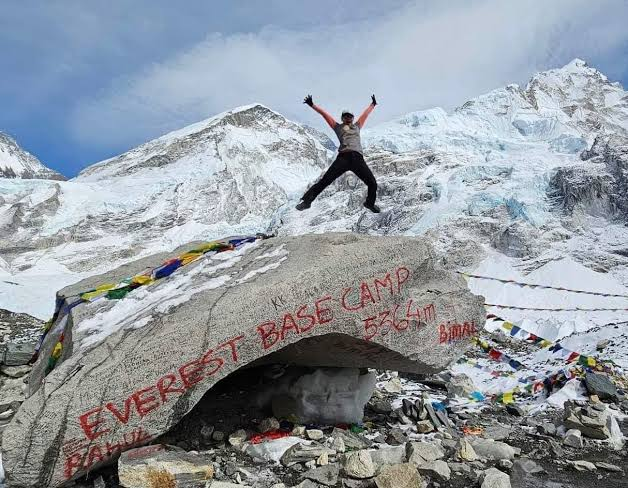
A Short Everest Base Camp Trek trims the number of trekking days compared with the conventional route. For people with limited holiday time, that can be the difference between going and not going.
You’ll still see the major highlights, but the plan needs care. Squeezing the itinerary doesn’t mean rushing altitude gains, and good operators build the schedule around how the body adapts, not just around the calendar. A shorter trek suits travellers who are already fit and comfortable with sustained walking at height.
One thing to be clear about: a faster schedule doesn’t reduce the risk of altitude sickness. If anything, it asks you to pay closer attention to symptoms and to be honest with your guide about how you feel.
Everest View Trek: Mountain Scenery Without Going All the Way to Base Camp
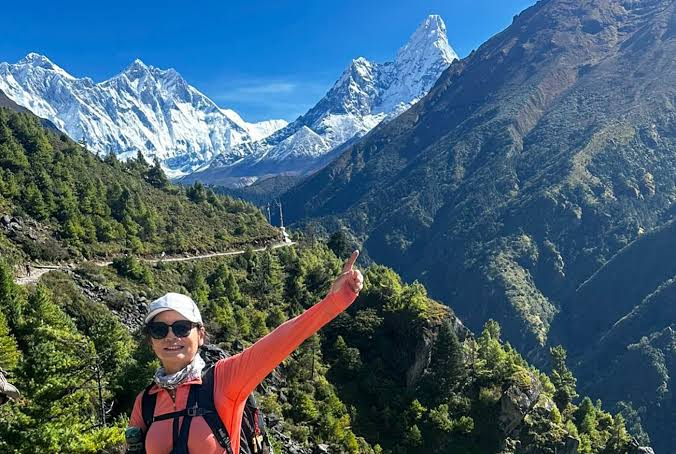
Not everyone wants to reach Everest Base Camp, and that’s completely fine. The Everest View Trek is built for travellers with less time, or those who prefer a gentler Himalayan journey.
It centres on Namche Bazaar, Syangboche and the Everest View Hotel, giving wide views of Everest, Ama Dablam and the peaks around them. Because it stays at moderate altitude, you can spend more energy on Sherpa villages and mountain culture and less on grinding upward.
It works well for families and first-time visitors to the Himalaya, as long as they prepare properly. Easier doesn’t mean effortless, and a bit of walking fitness still helps.
See also: Creative Ways to Advertise Your Business in 2026
Landscapes and Wildlife: Forests, Rivers and High-Altitude Valleys
The scenery here changes more quickly than most people expect. Lower down you walk through forest, crossing suspension bridges draped in prayer flags above the Dudh Koshi. Higher up, the trees thin out, alpine terrain takes over, and eventually you’re surrounded by rock, ice and glacial valleys.
Rhododendron forests are a highlight in the right season, painting hillsides with colour. Wildlife is part of the picture too. Himalayan tahr, musk deer and the Himalayan monal all live in the area, though sightings are never guaranteed. Go in with patience and don’t expect a checklist.
Since all of this falls within a national park, treat it carefully. Stay on marked paths, take your rubbish with you and keep a respectful distance from animals.
Best Time to Explore the Everest Region
Spring, from March to May, brings warmer days and blooming rhododendrons. Autumn, from September to November, is often clear and stable, which is why it’s so popular. Winter is cold, with snow and far fewer visitors, while the monsoon brings heavy rain, cloud and the chance of flight disruptions. Think about visibility, temperature, trail conditions and what you personally want from the trip before picking dates.
Practical Travel Information: Permits, Accommodation, Food and Preparation
Check the current Sagarmatha National Park entry requirements and any local permits before you go, since rules and fees can change. Accommodation is mostly teahouses and lodges, with simple rooms and shared facilities that get more basic as you climb.
Meals are hearty and straightforward. Be careful with drinking water, and pack layers for big temperature swings. The Lukla flight is weather-dependent, so build in some buffer time. Travel insurance, awareness of altitude sickness, a decent guide and a clear emergency plan are all worth sorting out well in advance.
Responsible Tourism and the Future of Sherpa Communities
Trekking supports a long list of local livelihoods, from guides and porters to lodge owners and community services. Respect monasteries and local customs, reduce plastic where you can, and use resources like water and firewood sparingly. Support locally run businesses, and remember that these villages are living communities, not tourist attractions.
Choosing the Right Everest Region Experience
The three options really come down to time, difficulty and what you’re after. The Everest Base Camp Trek suits travellers who want the full classic journey. The Short Everest Base Camp Trek is a time-conscious alternative, though it needs careful altitude planning. The Everest View Trek works best for visitors who care more about mountain scenery and Sherpa culture than reaching base camp.
If you’re unsure which fits, talking to experienced local trekking support helps. A team like Escape Himalaya can assist with itinerary planning and practical guidance for exploring the Everest region.
The Everest Region Is More Than a Mountain Destination
The real character of Khumbu comes from its villages, monasteries, landscapes and people. Reaching Everest Base Camp is just one way to experience it. The best trips leave you remembering the region long after the mountain view fades.