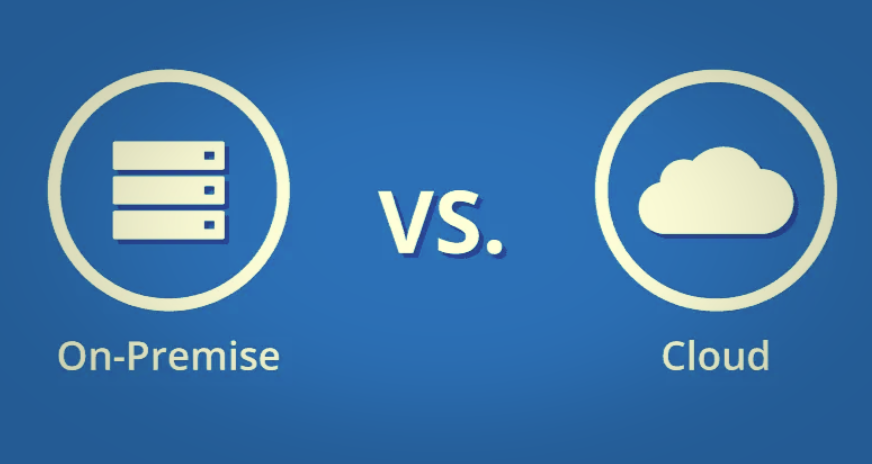
The debate between cloud computing and traditional servers continues to shape IT infrastructure strategies across organizations. Cloud computing offers notable advantages such as scalability and cost-effectiveness, yet it raises concerns regarding ongoing expenses and data security. Conversely, traditional servers provide greater control and security but demand substantial investment and maintenance efforts. Understanding these dynamics is crucial for organizations as they navigate their specific operational needs and compliance requirements. What factors should they prioritize in this decision-making process?
Understanding Cloud Computing
Cloud computing represents a paradigm shift in how organizations manage and deploy IT resources.
By leveraging cloud infrastructure, businesses achieve enhanced flexibility and scalability, enabling rapid adjustments to resource demands.
This model significantly improves data accessibility, allowing users to access information from anywhere with an internet connection.
Consequently, organizations can operate more efficiently, fostering innovation and responsiveness in today’s dynamic technological landscape.
See also: Challenges of Wearable Technology
The Role of Traditional Servers
Traditional servers continue to play a crucial role in the IT infrastructure of many organizations, particularly those with specific compliance, security, or performance requirements.
These servers necessitate regular server maintenance and hardware upgrades to ensure optimal functionality.
For businesses prioritizing control and customization, traditional servers offer the ability to tailor resources and configurations, empowering organizations to meet their unique operational demands effectively.
Key Advantages of Cloud Computing
One significant advantage of cloud computing is its scalability, allowing organizations to adjust resources dynamically based on current needs.
This scalability benefits businesses by optimizing performance and minimizing waste.
Additionally, cloud computing offers robust accessibility features, enabling users to access data and applications from any location with internet connectivity.
These advantages foster flexibility, efficiency, and enhanced collaboration in today’s fast-paced digital landscape.
Comparing Costs and Security Risks
Scalability and accessibility in cloud computing come with financial implications and varying security risks that merit careful consideration.
A comprehensive cost analysis reveals that cloud solutions often reduce upfront expenditures but may incur unpredictable ongoing costs.
Additionally, security measures vary significantly; while cloud providers implement robust protections, reliance on third parties can expose organizations to unique vulnerabilities, necessitating thorough evaluation before commitment.
Conclusion
In conclusion, the choice between cloud computing and traditional servers hinges on an organization’s unique requirements and operational context. Notably, a recent study found that 94% of enterprises reported experiencing improved security after adopting cloud services, highlighting the potential for enhanced protection despite initial concerns. As businesses weigh the flexibility and scalability of cloud solutions against the control and customization of traditional servers, understanding these dynamics becomes crucial for informed decision-making in IT resource management.