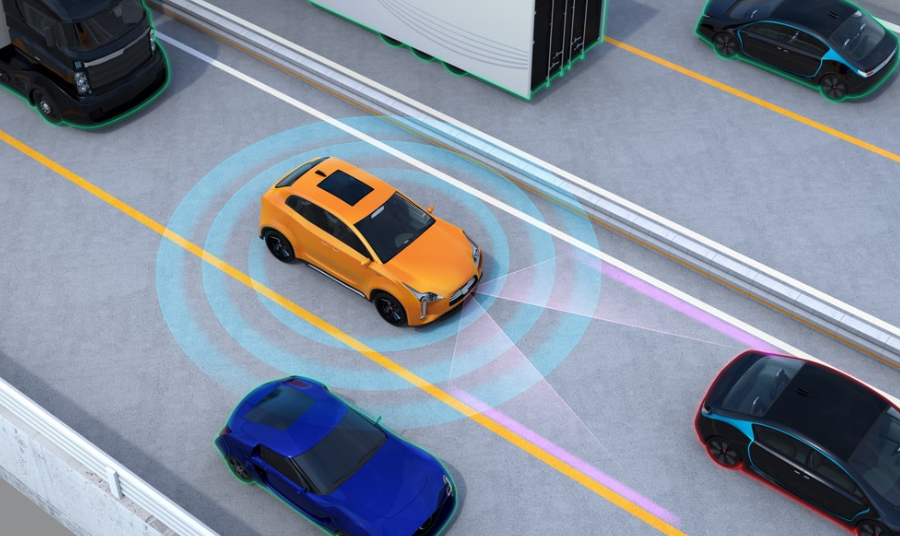
The development of self-driving cars presents a complex array of challenges that hinder their integration into society. Technical limitations, such as sensor reliability and mapping precision, complicate navigation. Legal and regulatory frameworks lag behind technological advancements, raising questions of liability. Ethical dilemmas also arise in critical decision-making scenarios. Meanwhile, public perception remains skeptical, influenced by safety concerns. These multifaceted issues must be addressed to determine the future viability of autonomous vehicles.
Technical Limitations and Navigation Challenges
Although self-driving cars promise to revolutionize transportation, they face significant technical limitations and navigation challenges that hinder their widespread adoption.
Sensor accuracy remains a critical issue, as even minor discrepancies can lead to catastrophic errors.
Furthermore, mapping technology must evolve to provide real-time updates, ensuring vehicles can navigate complex environments safely.
Overcoming these hurdles is essential for achieving true automotive freedom.
Legal and Regulatory Hurdles
The advancement of self-driving cars is not solely hindered by technical limitations and navigation challenges; legal and regulatory hurdles also play a significant role in shaping their future.
Liability issues present complex challenges, as determining accountability in accidents becomes crucial.
Additionally, varying safety standards across jurisdictions can impede development, creating barriers that must be addressed for the widespread adoption of autonomous vehicles.
Ethical Dilemmas and Decision-Making
As self-driving cars continue to develop, they inevitably bring forth a myriad of ethical dilemmas that challenge traditional moral frameworks.
Central to these issues are moral algorithms that dictate decisions in life-threatening scenarios, raising questions about responsibility allocation.
Who is accountable when an autonomous vehicle must choose between multiple outcomes?
Such complexities demand careful consideration to align technology with societal values and individual freedoms.
Public Perception and Acceptance Issues
How do perceptions shape the acceptance of self-driving cars in society?
Consumer trust plays a pivotal role, as many individuals harbor safety concerns about autonomous technology. This skepticism often stems from high-profile accidents and a lack of understanding regarding the vehicles’ capabilities.
To foster acceptance, it is essential to enhance transparency, address fears, and demonstrate the reliability and safety of self-driving systems through comprehensive education and outreach.
Conclusion
In the journey toward widespread adoption of self-driving cars, various obstacles resemble a complex labyrinth, where each twist and turn presents new challenges. Technical limitations impede optimal navigation, while legal frameworks struggle to adapt to this evolving technology. Ethical dilemmas complicate decision-making in critical moments, and public perception remains wary. Only by addressing these multifaceted issues can society unlock the potential of autonomous vehicles, steering toward a future where innovation and safety coexist harmoniously.